FAA-Approved Type Ratings, ATP-CTP & Full-Flight Simulator Training


AirbusA320Type Rating Training
Earn your Airbus A320 Type Rating through structured ground school, full-motion simulator training, and airline-standard operational instruction designed to prepare you for commercial jet operations.

Table Of Contents
Everything about the A320 type rating program in one place. Click any section below to jump straight to what you need.
Program Overview
What the initial A320 type rating covers and how the course is built.
Who Needs This Rating
CPL/ATPL holders, airline-bound pilots, Airbus transitions, and ICAO license holders.
What This Prepares You For
A320 line operations, SOPs, automation logic, and operational decision-making.
Key Training Features
Level D full-motion simulation, systems integration, and airline-captain instruction.
Built Around The Checkride
Ground school, simulator hours, and the checkride coordinated as one program.
Program Structure
The four phases from ground knowledge review through checkride preparation.
Related Programs
Other fleets, simulator time, ATP-CTP, and FAA license conversion.
From The Blog
A320 vs B737, what makes the A320 unique, and when a type rating is required.
Entry Requirements
Licenses, experience, medical, language, and MCC/UPRT prerequisites.
FAQs
Duration, MCC, international recognition, and CEO versus NEO training.
The A320 Type Rating
The Airbus A320 Type Rating program is engineered for pilots seeking an initial A320 type qualification through elite, airline-standard training. By combining comprehensive ground school with Level D full-motion simulation, we develop the technical mastery, procedural discipline, and operational confidence required for modern Airbus flight decks. Our curriculum follows internationally recognized airline best practices and is designed for pilots targeting commercial roles across the US, European, and Global markets.
What This Program Includes
- Comprehensive A320 ground school and systems instruction
- Level D full-motion simulator sessions flown as a two-pilot crew
- Airline-standard SOP, CRM, and MCC integration
- Structured briefing and debriefing with airline captains
- Check ride preparation and final standards evaluation
Training Outcome
- Initial A320 family type qualification covering CEO and NEO
- Command of fly-by-wire handling, flight protections, and FMS logic
- Confident normal, abnormal, and emergency procedure management
- Multi-crew performance to published airline standards
- Readiness to present for the type rating check ride

Who Needs This Rating
The A320 family is the most widely operated narrow-body fleet in commercial aviation. These are the pilots who qualify on it with us most often.

CPL/ATPL Holders Seeking Initial Qualification
First type qualification
Pilots with ATPL theory or an Airline Transport Pilot License pursuing their first A320 type qualification.
Initial Rating
Airline-Bound Pilots
CEO & NEO fleets
Candidates targeting commercial roles with carriers operating A320 CEO/NEO fleets.
Airline Track
Pilots Transitioning From Other Airbus Types
A330 & Airbus family
Pilots moving between Airbus family aircraft who need A320-specific qualification.
Transition
International License Holders
DGCA, EASA & ICAO
DGCA, EASA, FAA, or other ICAO-licensed pilots pursuing A320 type qualification through a recognized pathway.
ConversionWhat This Program
Prepares You For
Every block below is taught in ground school and then flown in the Level D simulator until it is second nature on the flight deck.

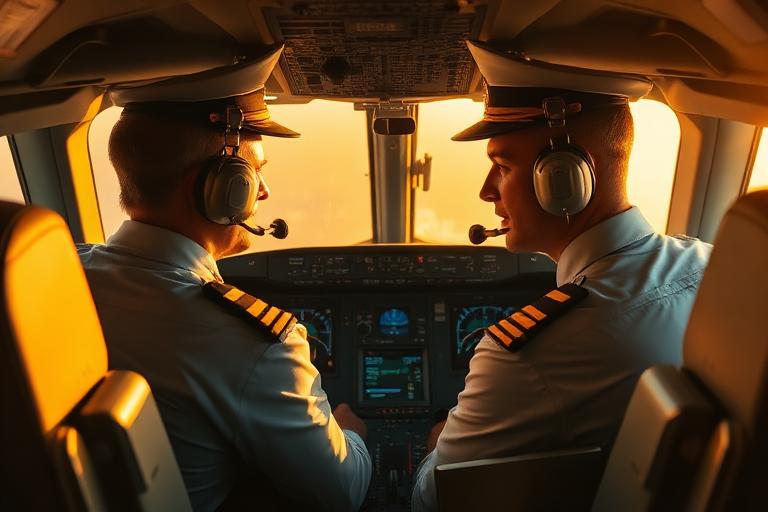
High-Fidelity A320 Line Operations
Fly the aircraft the way the line flies it — normal, abnormal, and emergency procedures in full-motion simulation.
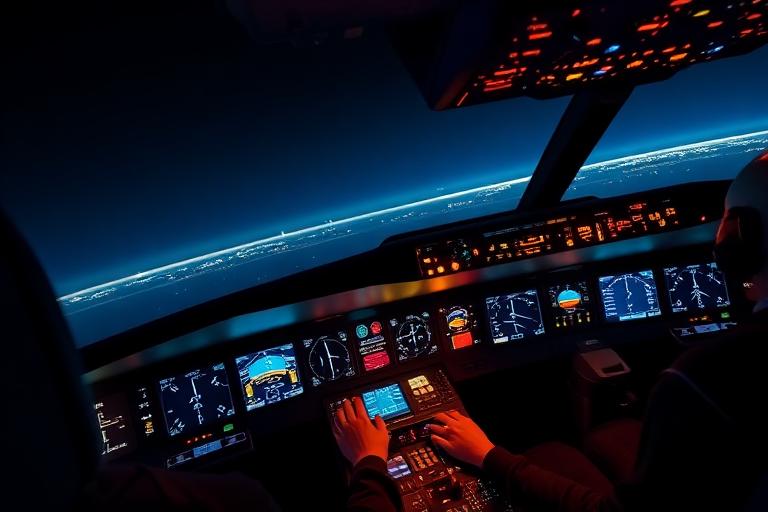
Global SOP & CRM Integration
Operate to airline-standard SOPs with the callouts, task sharing, and crew coordination carriers expect from day one.
Advanced Automation & FMS Logic
Master the fly-by-wire flight envelope, flight modes, and FMS programming that define the Airbus flight deck.
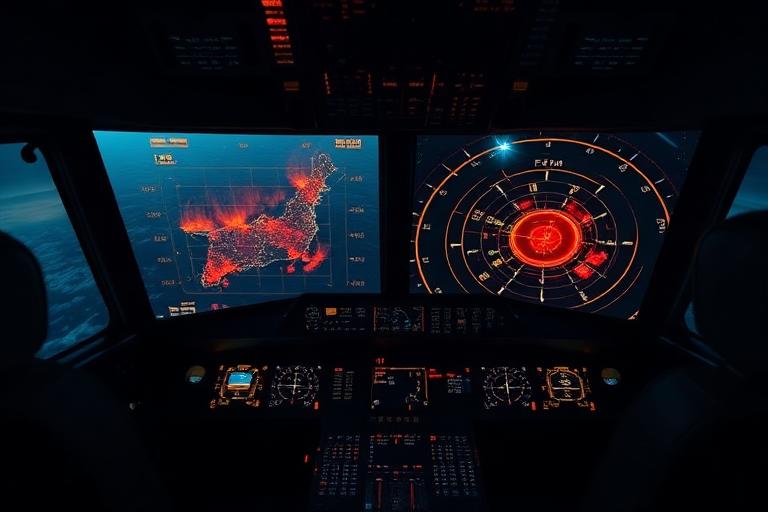
Complex Operational Decision-Making
Manage weather, failures, diversions, and time pressure with the structured decision process used in airline operations.
Key Training Features
Elite training features and technology — the equipment, instruction, and standards that produce airline-ready A320 crews.
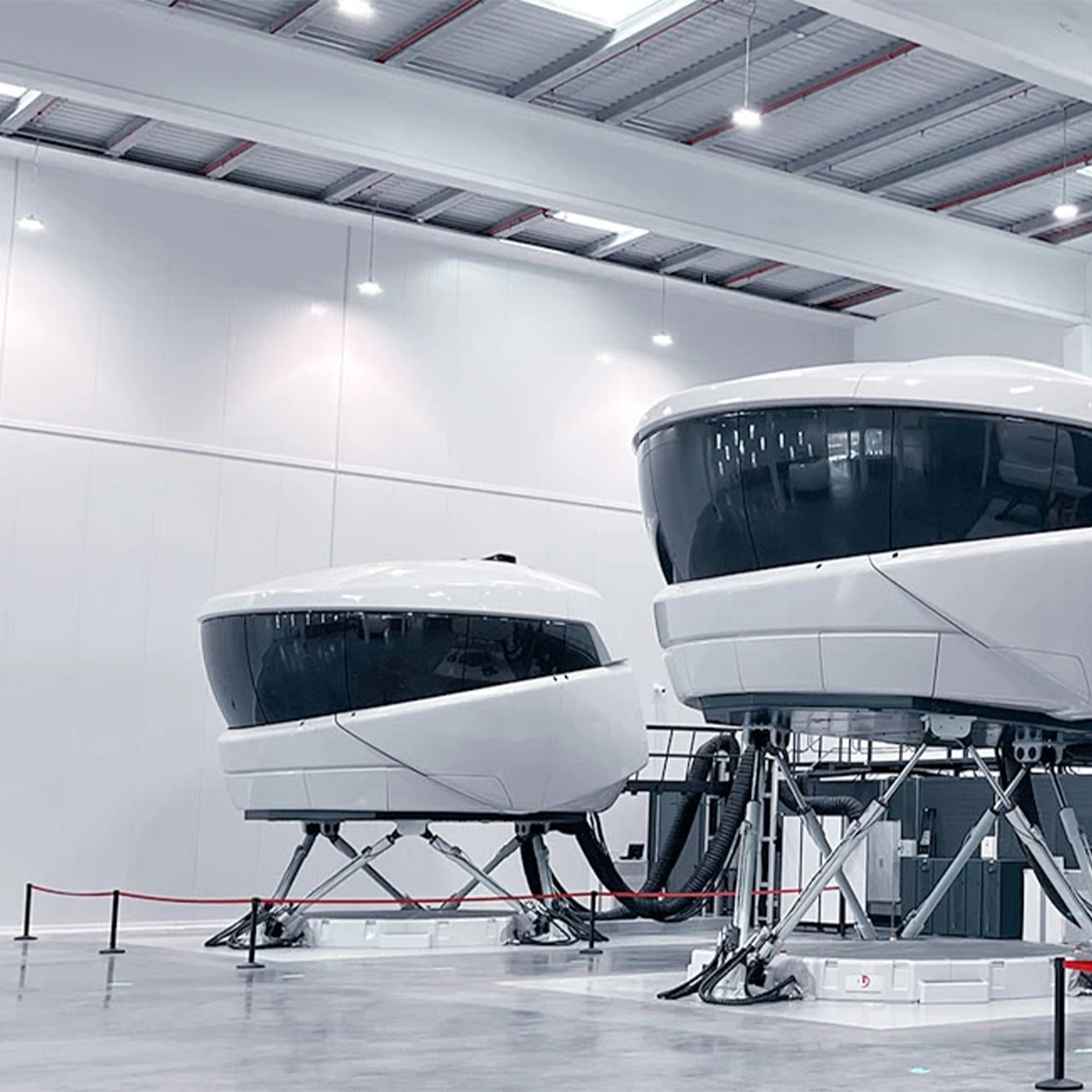
Level D Full-Motion Simulation
Training in Level D full-motion simulators that replicate A320 handling, systems behavior, and flight deck environment.
Aeronautical SOP & Workflow Integration
Every session is flown to published airline SOPs so procedural discipline becomes habit, not memorization.
Systems Integration Training
Hydraulics, electrics, pneumatics, and fly-by-wire protections taught as an integrated aircraft, not isolated chapters.
Briefing & Debriefing With Airline Captains
Structured pre-flight briefs and detailed debriefs led by instructors who fly and train on the line.
A320 Type Rating Program Structure
Four phases, 92–106 training hours, 28–35 days. Every candidate follows the same sequence from ground knowledge review through check ride preparation.
Phase 01
Ground Knowledge Review
Duration: 60–70 Hours · Format: Classroom Instruction + Guided Study
The program opens with an in-depth academic phase covering the A320 airframe, systems, and operating philosophy. The objective is complete technical understanding of the aircraft before you ever sit in the simulator.
This Phase Includes
- Aircraft Systems: Hydraulics, electrics, pneumatics, fuel, and flight controls in full operational detail.
- Fly-By-Wire & Flight Protections: How the A320 flight control laws and envelope protections behave in each mode.
- Automation & FMS: Flight management programming, mode awareness, and energy management.
- Performance & Limitations: Weight, balance, takeoff and landing performance, and A320 operating limits.
- Normal & Abnormal Procedures: ECAM philosophy, checklist discipline, and airline-standard flows.
Outcome: You enter the simulator phase with complete systems knowledge and a working command of A320 procedures and limitations.
Phase 02
Full-Motion Simulator Evaluation
Training Device: Level D Full-Motion Simulator · Duration: 32–36 Hours
The simulator phase converts academic knowledge into flight deck performance. Sessions are flown as a two-pilot crew to airline SOPs, progressing from basic handling through complex failure management.
This Phase Includes
- Normal Operations: Departures, climb, cruise, descent, approach, and landing flown to SOP.
- Abnormal & Emergency Handling: Engine failures, system degradations, and ECAM management under pressure.
- Multi-Crew Cooperation: Task sharing, callouts, and cross-verification as pilot flying and pilot monitoring.
- Automation Management: Correct use of flight modes, with manual reversion when the situation demands it.
- Adverse Conditions: Low visibility, windshear, and non-precision approaches.
Outcome: You demonstrate consistent, airline-standard A320 handling and crew performance across normal and non-normal operations.
Phase 03
Check Ride Preparation
Focus: Final Certification Readiness
The final phase targets the checkride itself. Instructors run standards-focused sessions until your performance is repeatable to the published test criteria.
This Phase Includes
- Standards Review: Every maneuver measured against the checkride tolerances.
- Mock Check Rides: Full-profile evaluations flown under test conditions.
- Oral Exam Preparation: Systems and procedure questioning in the format the examiner uses.
- Targeted Remediation: Extra work on any area that is not yet consistent.
Outcome: You present for the checkride prepared, current, and evaluated to the same standard the examiner applies.
Phase 04
Expected Duration & Training Hours
The schedule is intensive but realistic — enough time to build genuine command of the aircraft without unnecessary downtime between phases.
Related Programs
Building toward a specific airline or fleet? Here's what else is available.
Built Around The Checkride
Every hour of the course is aimed at one outcome: presenting for the A320 type rating check ride flying to airline standards, with systems knowledge, SOPs, and crew performance already proven in the simulator.
Ground School, Simulator & Check Ride
Academic instruction, simulator sessions, and check ride preparation are coordinated as one program so nothing stalls between phases.
From The Blog
Deeper reading on the A320 flight deck, fleet choice, and how type rating timelines actually work.
A320 vs B737 Type Rating: Which Fleet Offers The Best Career ROI In 2026?
What Makes An Airbus A320 Type Rating Unique?
When Is A Type Rating Required? The Definitive Guide For Pilots
Can You Get A Type Rating In 2 Weeks? Exploring Shortened Course Eligibility
Entry Requirements
Have these ready when you contact Simulator Center Training and your A320 start date can be confirmed quickly.
Valid Pilot License
- Commercial Pilot License (CPL) or Airline Transport Pilot License (ATPL)
- FAA, EASA, DGCA, or other ICAO-compliant authority
- License valid and unrestricted at the time of enrollment
Flight Experience
- Documented total time and recent flying experience
- Prior jet or multi-crew experience is an advantage, not a requirement
- Logbook reviewed during the eligibility assessment
Multi-Engine & Instrument Ratings
- Current multi-engine (ME) rating
- Current instrument (IR) rating
- Instrument currency reviewed before the simulator phase
Medical Certification
- Class 1 medical certificate recommended for airline-bound candidates
- Class 2 accepted for training purposes where permitted
- Physically fit for extended full-motion simulator sessions
English Language Proficiency
- ICAO Level 4 English or higher
- Required for briefings, radio communication, and crew coordination
- All ground school and simulator instruction is delivered in English
MCC & UPRT
- Multi-crew cooperation is built into the simulator phase
- Documented prior MCC or jet orientation may be credited
- Upset prevention and recovery training integrated into the course
A320 Type Rating FAQs
The questions pilots ask most about the A320 rating — duration, prerequisites, recognition, and the CEO versus NEO distinction.
Weighing the A320 against the 737? Read the full A320 vs B737 career ROI comparison.