
Home » Type Rating » ATR-42-72
Earn your ATR 42/72 Type Rating through structured academic instruction, advanced full-motion simulator training, and airline-standard operational preparation designed to transition pilots into regional turboprop airline operations.
Duration
28-35 Days
Training Hours
92-106 Hours
Table of Contents
Click Chapter To Travel
The ATR 42/72 Type Rating program is built for pilots pursuing an initial ATR type qualification through structured, airline-caliber training. By combining comprehensive ground instruction with Level D full-motion simulator sessions, the program develops the technical proficiency, procedural discipline, and multi-crew coordination skills required in modern regional airline environments.
Our training framework follows internationally accepted airline best practices and is ideal for pilots targeting turboprop commercial operations across the US, Europe, Asia, and other global markets.
What This Program Includes:
Dedicated check ride preparation and evaluation alignment
Training Outcome
Upon successful completion, pilots will:
The ATR 42/72 Type Rating program is structured to prepare pilots for the unique operational demands of regional turboprop flying. Emphasis is placed on technical accuracy, cockpit resource management, and high-workload short-haul operations.

Develop proficiency in high-frequency regional operations including short sectors, variable weather conditions, and performance-limited airports. Training emphasizes precision, efficiency, and procedural compliance.

SOP Discipline & Multi-Crew Coordination
Build strong adherence to airline-standard callouts, flows, and cross-checking techniques. CRM principles are integrated into every phase of training to strengthen communication, situational awareness, and workload management.

Advanced Systems & Performance Management
Gain detailed knowledge of ATR electrical, hydraulic, pneumatic, fuel, and flight control systems. Particular focus is placed on turboprop engine management, power settings, and performance optimization.

Abnormal & Emergency Scenario Handling
Prepare for real-world operational challenges including engine failures, system degradations, weather diversions, and time-sensitive operational decisions typical in regional airline service.
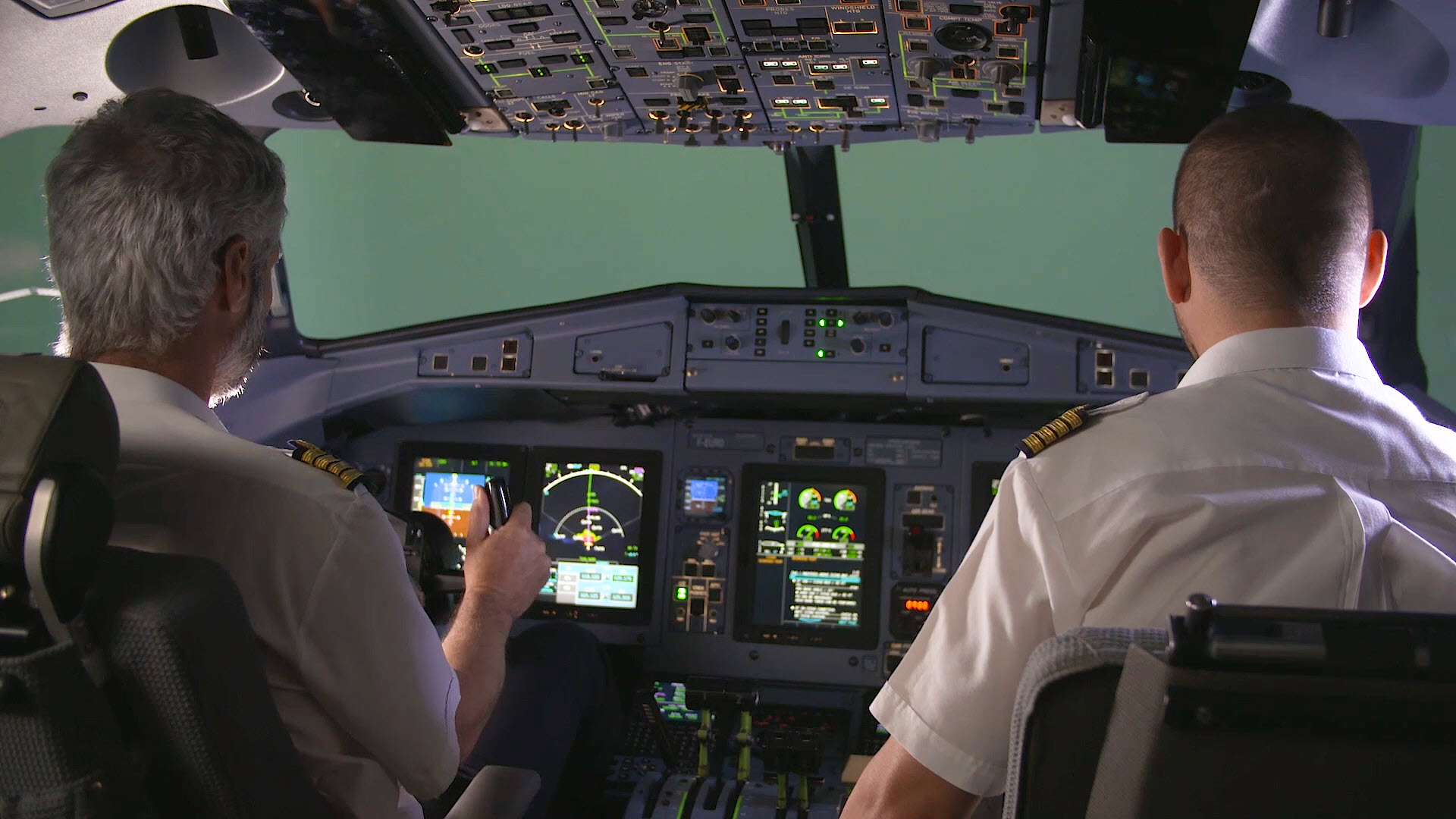
Simulator Center provides a professional training environment that blends high-fidelity simulation with airline-style instructional delivery. The ATR Type Rating program ensures pilots are fully prepared for operational line flying.
Total Program Duration:
28–35 days
Total Training Hours:
92–106 total hours
The program follows a progressive airline-style training flow combining theoretical instruction, full-motion simulation, and final qualification preparation.

Duration: Approx. 60–70 hours
Format: Classroom + Computer-Based Training
Ground school establishes the technical foundation required for safe ATR operations.
Training topics include:
Outcome: Pilots gain comprehensive knowledge of ATR systems and are fully prepared for simulator training.

Aircraft: ATR 42/72 Full Flight Simulator
Duration: Approx. 30–35 hours
Simulator sessions focus on practical application of systems knowledge in realistic airline scenarios.
Training includes:
Outcome: Pilots develop operational confidence and hands-on proficiency under airline-standard procedures.

This final phase prepares candidates for type rating evaluation.
Includes:
Outcome: Successful candidates earn the ATR 42/72 Type Rating.

Most pilots complete the program within:
(Timelines may vary based on scheduling and individual progress.)
Training Flow
A structured pathway guiding pilots from enrollment through certification.
Focus: Regulatory alignment & systems mastery
Outcome: Strong theoretical foundation for simulator execution.
Focus: Operational proficiency
Outcome: Real-world ATR operational readiness.
Focus: Final validation
Outcome: Successful completion and ATR 42/72 Type Rating issuance.
To enroll in the ATR 42/72 Type Rating program at Simulator Center, applicants must meet stringent professional and regulatory standards. These prerequisites ensure that each candidate possesses the foundational knowledge, flight experience, and medical fitness required to successfully complete intensive ground school and Level D simulator training.
Valid Pilot License
Applicants must hold:
Licenses issued by DGCA, FAA, EASA, or ICAO-recognized authorities are accepted.
Flight Experience
Adequate total time to qualify for ATR Type Rating
(Exact requirements vary by licensing authority.)
Multi-Engine & Instrument Ratings
Valid Instrument Rating
Both must be current at training start.
English Language Proficiency
ICAO English Level 4 or higher
Required for simulator operations and CRM communication.
MCC & UPRT (If Applicable)
Upset Prevention & Recovery Training (UPRT)
May be required depending on regulatory pathway. Simulator Center can provide guidance if needed.