

ATR-42/72 Simulator Training

Our ATR-42/72 Simulator Training program is designed for pilots who already hold an ATR-42/72 type rating and want to refine skills, prepare for airline assessments, or complete recurrent and refresher training in a realistic airline-style environment.

ATR-42/72 Simulator Training — Program Overview

This simulator-exclusive program provides flexible, airline-oriented ATR-42/72 simulator sessions for professional pilots seeking proficiency, recurrency, or high-stakes assessment preparation.

Unlike licensing or conversion programs, this training focuses strictly on hands-on simulator mastery, allowing pilots to train on specific operational scenarios, airline-standard procedures, and mission profiles at our Miami Springs Training Hub.

Ideal for:

  • Airline Assessment & Interview Prep: (IndiGo, SpiceJet, Alliance Air, Air India Regional profiles)
  • Recurrent & Refresher Training: Maintain proficiency during breaks or fleet transitions.
  • SOP & CRM Reinforcement: Master turboprop operations and multi-crew coordination.
  • Confidence Restoration: Professional validation after a fleet change or time away from the cockpit.
  • Skill Validation: Precise handling, abnormal procedure practice, and decision-making under pressure.

Key Stats:

  • Format: Level D Full-Motion Simulation
  • Location: Miami Springs Hub (5 minutes from MIA Airport)
  • Scheduling: 24/7 Availability / Flexible Hourly Blocks
  • Focus: Operational Proficiency & Skills Refresh
Hands-on Level D Training Designed to Sharpen Real-World ATR-42/72 Skills

What This Simulator Training Prepares You For

The ATR-42/72 Simulator Training program is designed to help professional pilots maintain, refine, and master real-world operational proficiency. Whether preparing for airline evaluations or refreshing skills after a break, our sessions emphasize practical, line-oriented skills directly applicable to Part 121 and international operations.

Normal & Abnormal ATR-42/72 Operations

Train on complete airline mission profiles in a Level D environment. Practice challenging departures, complex approaches, high-density traffic operations, and emergency scenarios.

Automation, Manual Handling & SOP Discipline

Refine turboprop manual handling skills and automation management. Focus on strict checklist discipline and SOP alignment with major regional carriers.

Crew Resource Management & Decision-Making

Develop advanced CRM skills for clear communication, situational awareness, and cockpit teamwork in high-workload situations.

Airline Assessments, Evaluations & Skill Refresh

Get “check-ride ready” for airline interviews (IndiGo, Alliance Air, Air India Regional). Ideal for recurrent preparation, fleet transitions, or restoring confidence under instructor guidance.
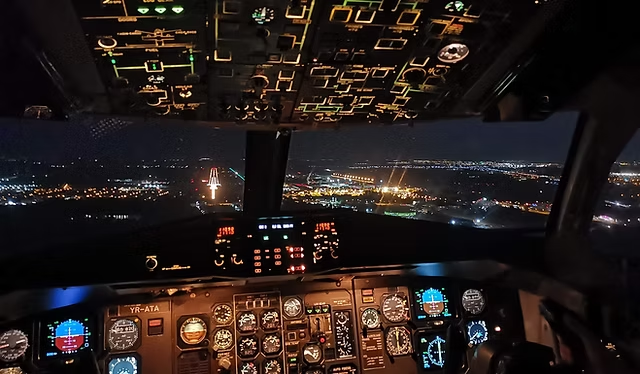

ATR-42/72 Simulator Training Operations

Simulator Center Training delivers ATR-42/72 training through flexible, professionally structured sessions designed for specific pilot objectives while adhering to airline-standard discipline.

01

Session Format: Hourly or Strategic Blocks

Our training sessions are designed for flexibility and efficiency, allowing pilots to maximize simulator time based on their career needs:

02

The Professional Flow: Briefing → Simulator → Debriefing

Each session follows a structured, airline-standard training flow to maximize learning outcomes:

  •  

03

Custom-Tailored Mission Objectives

No two pilots have the same training needs. Every session can be customized to focus on:

04

Sample Session Outline

A typical ATR-42/72 simulator session includes:

  1. Pre-flight Briefing & Objective Review
  2. Normal Departure and Arrival Profiles
  3. Automation Management and Manual Flight Segments
  4. Abnormal or Emergency Scenario Practice
  5. Line-Oriented Flight Training (LOFT) Elements
  6. Post-Session Debrief & Performance Recommendations

Training Flow

Our ATR-42/72 simulator sessions follow a structured, airline-standard flow designed to maximize learning, skill retention, and operational readiness. Every step of the process ensures pilots gain practical experience and actionable feedback in a high-fidelity training environment.

01

Pre-Session Briefing

Each session begins with a focused briefing led by your instructor. Training objectives, operational procedures, and flight profiles are clearly defined so you know exactly what scenarios and skills will be practiced. This preparation ensures that every minute in the simulator is efficient and goal-oriented.

02

Full-Motion Simulator Training

Pilots then step into our Level D ATR-42/72 full-motion simulator. Sessions emphasize hands-on flying, manual handling, automation management, and crew coordination under realistic operational scenarios. From normal line operations to emergency procedures, every exercise is designed to replicate real-world airline experience.

03

Performance Debrief & Feedback

After each simulator session, instructors conduct an in-depth debrief. Pilots receive detailed, data-driven feedback on technical handling, decision-making, CRM (Crew Resource Management), and procedural discipline. Actionable insights help strengthen skills, correct weaknesses, and build confidence for line operations or airline assessments.

Minimum Requirements:

Entry Requirements

To ensure safe, effective, and airline-standard training, all pilots participating in ATR-42/72 Simulator Training must meet the following minimum requirements:

01

Valid ATR-42/72 Type Rating

Pilots must already hold a current ATR-42/72 Type Rating issued by a recognized aviation authority, including DGCA, FAA, EASA, or any other ICAO-approved organization.

02

Valid Pilot License

A Commercial Pilot License (CPL) or Airline Transport Pilot License (ATPL) is required at the time of training.

03

Multi-Engine & Instrument Ratings

Pilots must maintain current Multi-Engine (ME) and Instrument Rating (IR) privileges appropriate to their licensing authority.

04

Medical Certification

A valid Class 1 Medical Certificate issued by DGCA, FAA, EASA, or another ICAO-recognized authority is mandatory.

05

English Language Proficiency

Pilots must demonstrate a minimum ICAO English Level 4 or higher, ensuring effective communication during simulator sessions, crew resource management exercises, and airline-standard operations.