FAA-Approved Type Ratings, ATP-CTP & Full-Flight Simulator Training


FAA-ApprovedATP-CTPCertification Training
Simulator Center Training offers a comprehensive Airline Transport Pilot Certification Training Program (ATP-CTP), designed for pilots transitioning into high-performance, multi-engine air carrier operations. Gain the technical mastery and aeronautical knowledge required to excel in the FAA written exam and beyond.

Table Of Contents
Everything about the ATP-CTP program in one place. Click any section below to jump straight to what you need.
Program Overview
What ATP-CTP is and why the FAA requires it before the ATP written exam.
Who Needs ATP-CTP
CPL holders, regional airline candidates, career changers, and international pilots.
What This Prepares You For
High-altitude operations, automation, weather, and crew coordination.
Key Training Features
Level D simulators, airline-captain instructors, and structured ground school.
Built Around The Exam
Ground school, simulator hours, and the FAA graduation certificate in one program.
Program Structure
The four phases from ground knowledge review through graduation.
Related Programs
Type ratings, simulator training, and FAA license conversion pathways.
From The Blog
Guides on ATP minimums, written exam prep, and ATP-CTP costs.
Entry Requirements
The licenses, medical, language, and paperwork you need to enroll.
Pilot Training FAQs
Quick answers to the most common ATP-CTP questions.
The ATP-CTP Requirement
The Airline Transport Pilot Certification Training Program (ATP-CTP) is the mandatory FAA requirement for any candidate seeking an Airline Transport Pilot certificate with a multi-engine class rating. Our curriculum bridges commercial flight training with the complexities of Part 121 and Part 135 air carrier operations, combining advanced theoretical academics with high-fidelity simulation to prepare you for safe, efficient management of large-scale commercial aircraft in a collaborative, multi-crew environment.

Who Needs ATP-CTP
ATP-CTP is required before the FAA ATP written exam. These are the pilots who enroll with us most often.

CPL Holders Preparing For The ATP Written
ATPL theory complete
Candidates completing ATPL theory who need ATP-CTP before sitting the FAA ATP written exam.
FAA Approved
Regional Airline Candidates
Part 121 / Part 135
Pilots moving toward Part 121 or Part 135 multi-engine air carrier operations.
Airline Track
Career Changers
Into transport-category jets
Pilots transitioning from other aircraft categories into transport-category jet operations.
Transition
International Pilots Pursuing A US ATP
DGCA, EASA & ICAO
DGCA, EASA, and other ICAO-licensed pilots building toward a US Airline Transport Pilot certificate.
ConversionWhat This Program
Prepares You For
ATP-CTP is where commercial flying habits become airline habits. Each block below is trained on the ground and then flown in the simulator.

High-Altitude Flying & Safety
Learn how big jets behave at 30,000+ feet, including stall recognition and recovery.
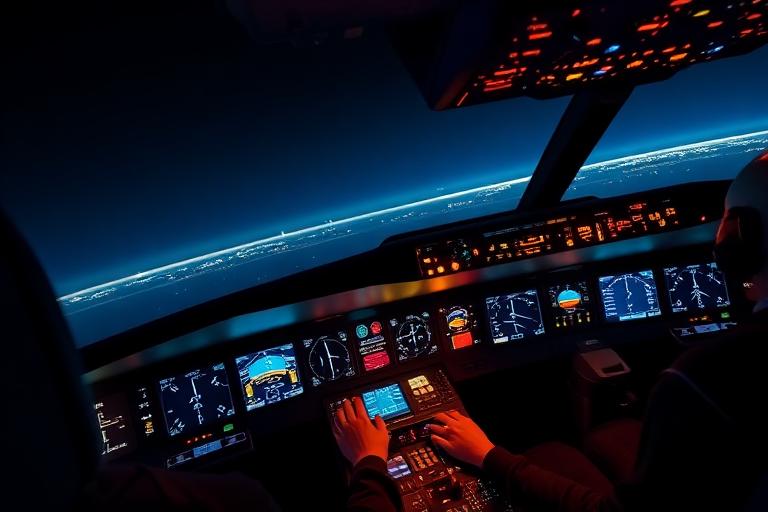
Using Advanced Cockpit Technology
Build fluency with autopilot and flight management computers to manage speed and energy with full control of the aircraft.
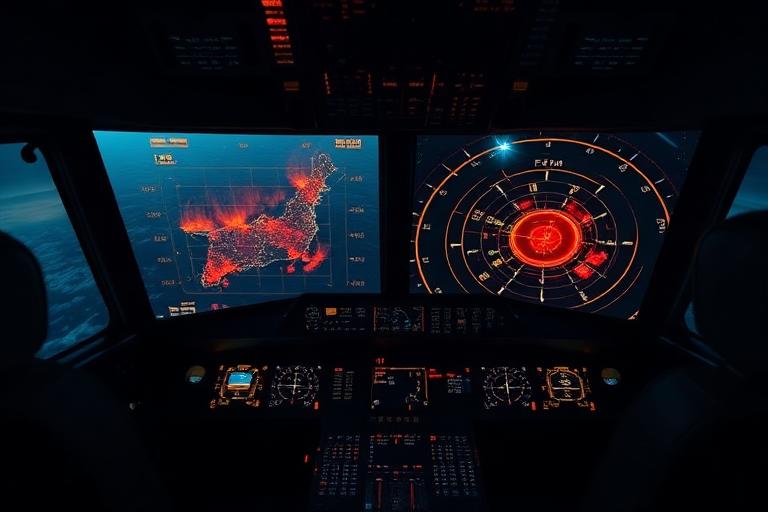
Tracking Bad Weather
Learn to use radar and detection systems to identify and safely navigate storms, wind, and icing.
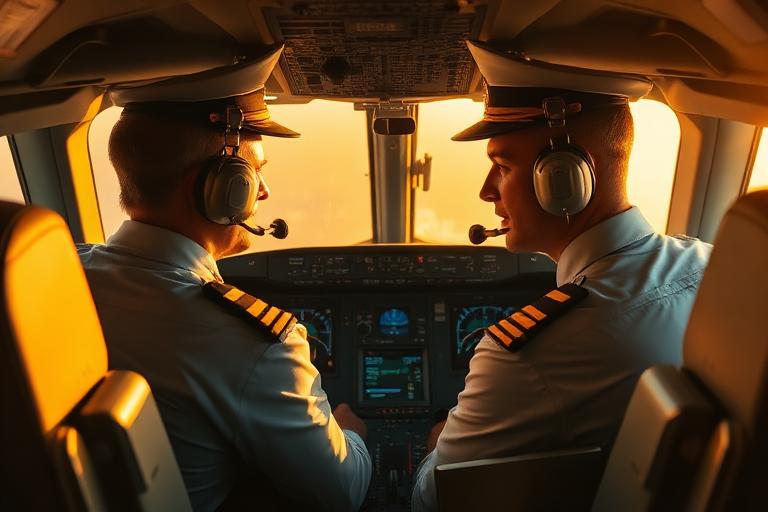
Teamwork & Leadership (CRM)
Master Crew Resource Management: clear communication and effective coordination with your co-pilot.
Key Training Features
The equipment, the instructors, and the schedule are what separate an ATP-CTP course you tolerate from one you actually learn from.
High-Quality Flight Simulators
10 hours of training in advanced simulators that look, feel, and move like a real airliner.
Teachers Who Are Airline Captains
Instructors are veteran airline captains with thousands of hours flying for major carriers.
Classroom Learning That Sticks
32 hours of ground school broken into clear lessons covering jet engines through advanced weather.
Training Built Around You
Flexible training dates across Florida locations with personalized attention so you finish and move to your next role quickly.
FAA ATP-CTP Program Structure
Four phases, 42 hours, 6–8 days. Every candidate follows the same sequence from ground knowledge review through graduation and exam readiness.
Phase 01
Ground Knowledge Review
Duration: 32 Hours · Format: Classroom Instruction + Expert Mentorship
The program starts with 32 hours of intensive classroom learning. We don't just teach you the rules — we teach you how to think like an airline captain. This phase covers the advanced science and safety habits needed to fly large passenger jets.
This Phase Includes
- High-Altitude Aerodynamics: Learning how big jets behave in thin air and how to recover from stalls.
- Advanced Jet Systems: Understanding turbine engines, hydraulics, and complex electrical systems.
- Weather Detection: Using cockpit radar to find and avoid dangerous storms and ice.
- Airline Operations: Learning the strict safety rules (Part 121/135) that professional airlines follow.
- CRM & Leadership: Developing the teamwork and communication skills needed in a multi-crew cockpit.
Outcome: You finish the ground phase with a deep understanding of jet operations and are fully prepared for the simulator phase.
Phase 02
High-Fidelity Simulator Training
Training Device: Level D Full-Motion Simulator & Fixed-Base Trainers · Duration: 10 Hours
Hands-on experience in a jet environment. The flight phase puts your classroom knowledge into action. You will spend 10 hours in advanced simulators that replicate the feel and weight of a real airliner. This is where you practice the maneuvers and teamwork skills required for the ATP certificate.
This Phase Includes
- High-Altitude Handling: Practicing stall recognition and recovery at 30,000+ feet.
- Multi-Crew Coordination: Working with a co-pilot to manage checklists and emergencies.
- Automation Management: Learning how to properly use the autopilot and flight computers.
- Adverse Weather Drills: Practicing safe flying through windshear and low-visibility conditions.
Outcome: You demonstrate the hands-on skills and cockpit discipline required to operate a transport-category aircraft safely.
Phase 03
Check Ride Graduation & Exam Readiness
Focus: Final Certification
Once you complete your classroom and simulator hours, we provide your official ATP-CTP Graduation Certificate. This is the 'golden ticket' that allows you to take the FAA ATP Multi-Engine Knowledge Test.
This Phase Includes
- Final Review: A quick look back at key topics to ensure you are ready for the written exam.
- Certificate Issue: Receiving your FAA-recognized proof of graduation.
- Next Steps Guidance: Instructions on how to schedule your FAA written test and move toward your final check ride.
Outcome: You depart our facility as a graduate, fully eligible to complete the FAA written exam and advance your airline career.
Phase 04
Expected Duration & Training Hours
We value your time. Our schedule is designed to be fast and efficient while still meeting every FAA safety standard.
Related Programs
ATP-CTP is a required step on the path to an airline seat — here's what comes next.
Built Around The Exam
Every hour of the course is aimed at one outcome: walking into the FAA ATP written exam prepared, with your graduation certificate in hand and jet operations already flown in the simulator.
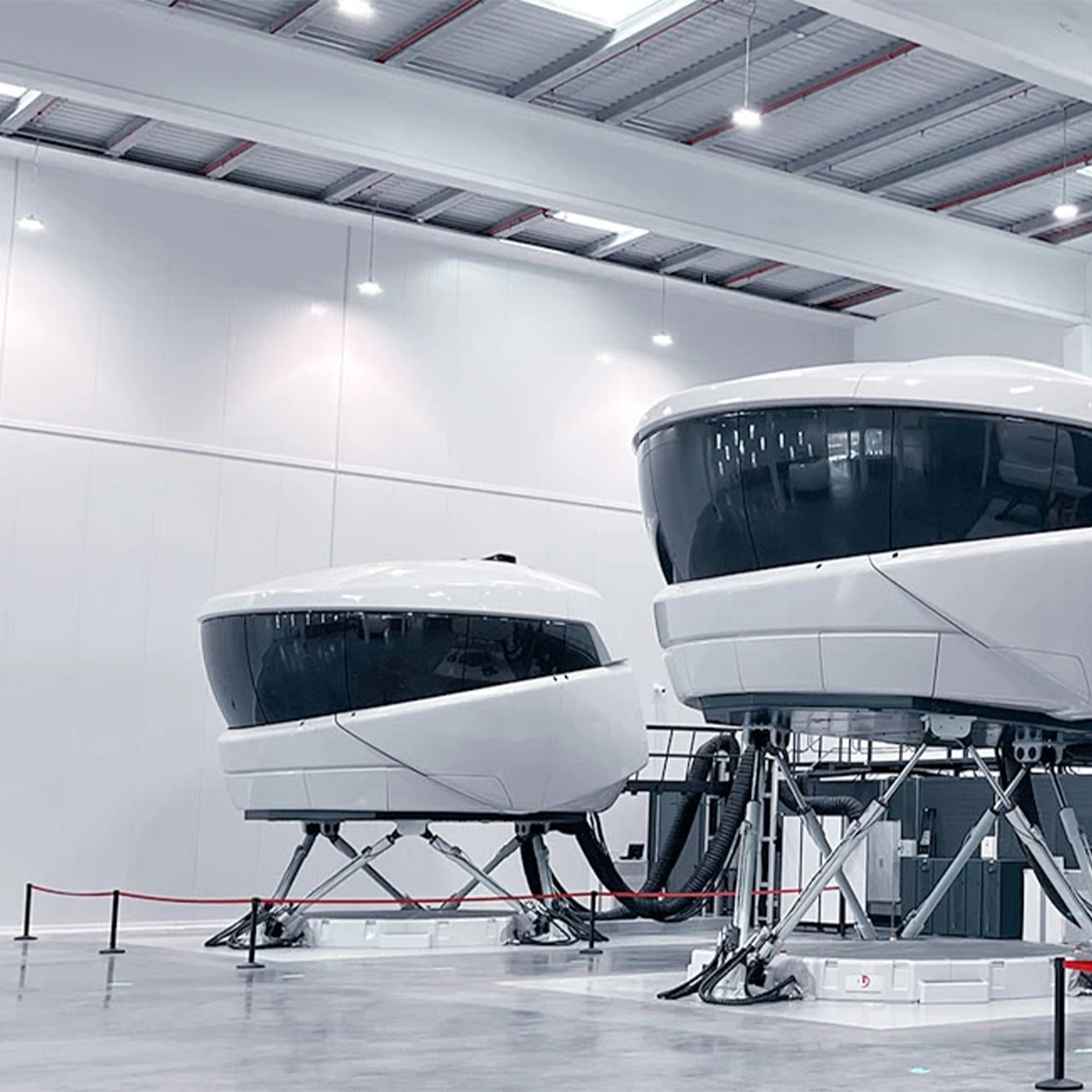
Ground School, Simulator & Certificate
Classroom instruction, simulator sessions, and certificate issuance are coordinated as one program so nothing stalls between phases.
- What's included · 32 hours ground school, 10 hours Level D full-motion and fixed-base simulator training, official FAA ATP-CTP Graduation Certificate
- Equipment · Level D Full-Motion Simulator & Fixed-Base Trainers
- Not included · Travel, lodging, and authority fees
From The Blog
Deeper reading on ATP minimums, written exam preparation, and what ATP-CTP training actually costs.
How Long Is The ATP-CTP Course Good For?
What Is ATP And CTP In Aviation?
Meeting The ATP Minimums: Standard vs. Restricted ATP Explained
The Ultimate Sheppard Air Guide
Investing In Your Career: ATP-CTP Training Costs & ROI Guide
How To Lower The Total Cost Of ATP-CTP Training
Entry Requirements
Have these ready when you contact Simulator Center Training and your ATP-CTP start date can be confirmed quickly.
Valid Professional Pilot License
- Commercial Pilot License (CPL)
- Multi-Engine (ME) rating
- Instrument (IR) rating
Medical Certification
- Class 1 or Class 2 Medical Certificate recommended
- Physically fit for high-fidelity simulator environments
English Language Proficiency
- ICAO Level 4 English (or higher)
- Required for simulator sessions and radio communications
Identification & Regulatory Paperwork
- Valid government-issued ID (such as a passport)
- TSA / regulatory background checks completed before day one
Pilot Training FAQs
The questions pilots ask most about ATP-CTP — length, prerequisites, and how it fits alongside a type rating.