FAA-Approved Type Ratings, ATP-CTP & Full-Flight Simulator Training


AirlineType Ratings
Initial type rating certification on six of the most widely operated commercial aircraft — from narrow-body jets to regional turboprops to heavy-jet dual-type programs. Level D full-motion simulation, airline-standard instruction, every rating built around the checkride.

Table Of Contents
Every type rating program in one place, plus the comparison tools that help you choose the right aircraft before you commit to a course.
All Type Ratings
Every aircraft we train, with duration, hours, and who each rating is for.
Compare Aircraft
Side-by-side comparison of category, timeline, hours, and career path.
Why Train Here
Level D simulation, airline captain instructors, and checkride-built courses.
How Type Ratings Work
The shared three-stage structure behind every rating we deliver.
ATP-CTP vs Type Rating
Two different requirements pilots frequently confuse — and how they sequence.
FAQs
Ordering ratings, holding multiple types, and adding a second rating.
All Type Ratings
Six initial type rating programs, each delivered to the same airline standard. Choose by the fleet your target operators actually fly.
Airbus A320 Type Rating
The most widely operated narrow-body jet in commercial aviation.
View ProgramAirbus A330 Type Rating
Long-haul, wide-body qualification for pilots moving into international operations.
View ProgramATR 42/72 Type Rating
The fastest path into a first airline seat through regional carrier operations.
View ProgramBoeing 737 Type Rating
One of the most widely flown commercial jets in the world.
View ProgramBoeing 737 Classic Type Rating
Still in active demand with freight and charter operators.
View ProgramBoeing 757/767 Type Rating
A combined rating covering both airframes, valued by cargo and ACMI operators.
View ProgramCompare Aircraft
Category, timeline, training hours, and the career path each rating typically opens — all six ratings side by side, so you can make the decision on one page.
| Aircraft | Category | Duration | Training Hours | Typical Career Path |
|---|---|---|---|---|
| Airbus A320 | Narrow-Body | 28–35 Days | 92–106 Hours | Global narrow-body airline operations |
| Airbus A330 | Wide-Body | 28–35 Days | 92–106 Hours | Long-haul international and wide-body fleets |
| ATR 42/72 | Regional Turboprop | 28–35 Days | 92–106 Hours | Regional carriers and cadet entry pathways |
| Boeing 737 | Narrow-Body | 28–35 Days | 95–105 Hours | US majors and low-cost narrow-body carriers |
| Boeing 737 Classic | Narrow-Body (Legacy) | 28–35 Days | 92–106 Hours | Freight, charter, and legacy-fleet operators |
| Boeing 757/767 | Heavy-Jet Dual-Type | 35–40 Days | 120–140 Hours | Cargo, ACMI, and heavy-jet passenger operations |

Why Train Here
The standards below apply to every rating on this page — whichever aircraft you choose, the training environment and instruction do not change.
Level D Full-Motion Simulation Across All Ratings
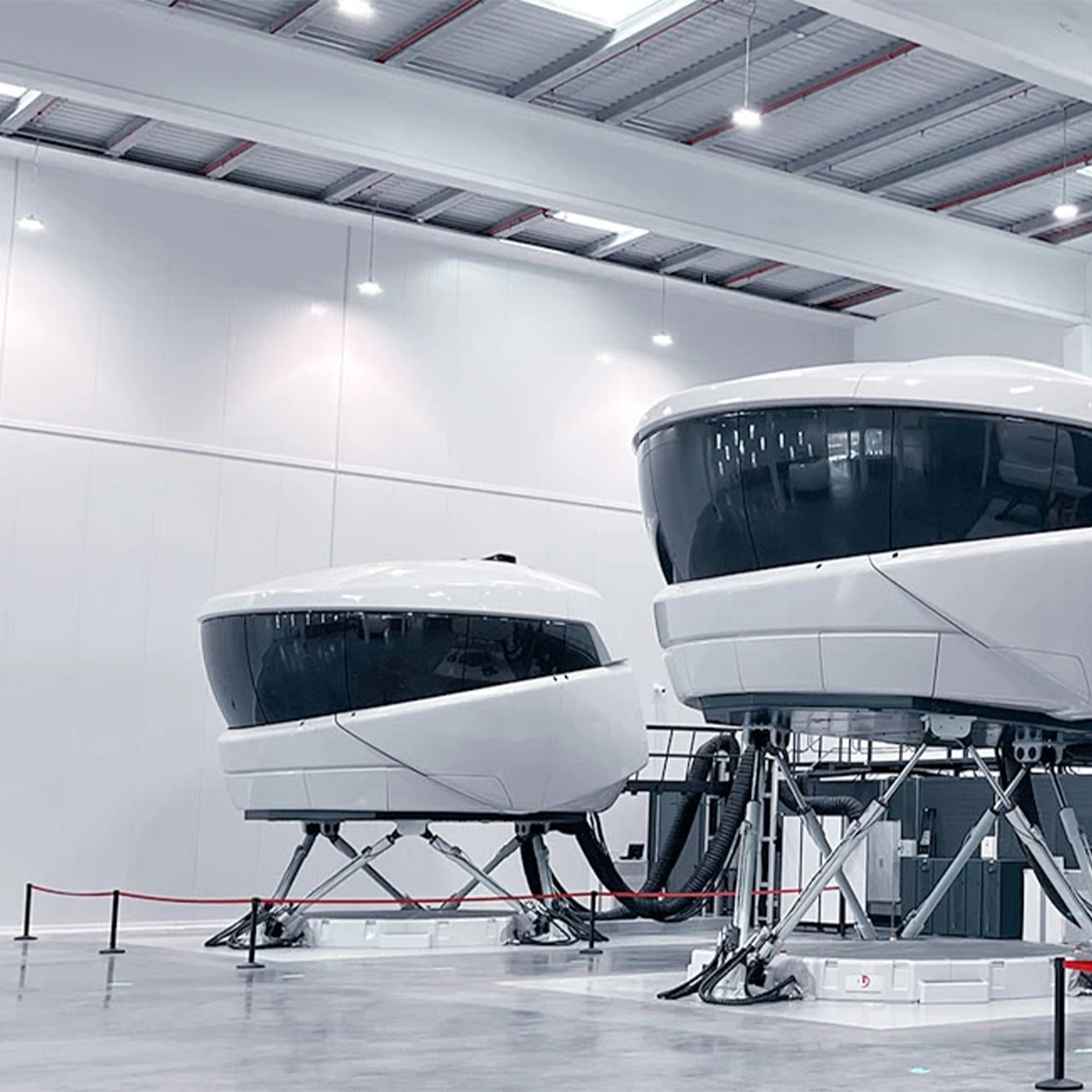
Every program is flown in Level D full-motion simulators — the same fidelity of device airlines use for their own recurrent and initial qualification training.
Airline Captain Instructors
Ground school and simulator sessions are led by instructors who fly and train on the line, so briefings and debriefs reflect real operational standards.
FAA/EASA/DGCA-Aligned Training
Courses are built to ICAO-based standards and structured so pilots holding FAA, EASA, DGCA, or other ICAO licenses can train through a recognized pathway.
Built Around The Checkride
Academics, simulator hours, and standards evaluation are coordinated as one program with a single objective: presenting for the checkride fully prepared.
How Type Ratings Work
Every type rating we deliver follows the same three-stage structure. The aircraft-specific detail lives on each program page — this is the shared framework behind all of them.
Stage 01
Ground Knowledge Review
Classroom instruction and guided study covering the airframe, systems, automation logic, performance, limitations, and normal and abnormal procedures for your aircraft. The goal is complete technical understanding before the first simulator session.
Outcome: You arrive at the simulator with working command of the aircraft's systems and procedures.
Stage 02
Full-Motion Simulator Training
Sessions flown as a two-pilot crew to published airline SOPs, progressing from normal operations through failure management, adverse conditions, and multi-crew coordination in a Level D full-motion device.
Outcome: You demonstrate consistent, airline-standard handling across normal and non-normal operations.
Stage 03
Check Ride & Qualification
Standards-focused sessions, mock check rides, and oral exam preparation run until your performance is repeatable to published test tolerances — then you present for the rating.
Outcome: You complete the checkride and hold the aircraft type rating on your certificate.
ATP-CTP vs Type Rating
These are the two credentials pilots confuse most often. They serve different purposes, sit at different points in your training, and most airline-bound pilots need both — in sequence.
ATP-CTP
A certification course required before you are permitted to sit the ATP written exam. It covers the general knowledge of transport-category operations — high-altitude aerodynamics, automation, adverse weather, and crew resource management — and is not tied to any single airframe.
- Required before the ATP multi-engine written exam
- Aircraft-generic — one course, no specific fleet
- Completed once in a career
Type Rating
Aircraft-specific qualification added to your certificate, authorizing you to operate that exact type. It combines aircraft systems ground school, Level D full-motion simulator training, and a checkride on the aircraft itself.
- Tied to one aircraft type — A320, B737, ATR, and so on
- Required by the operator whose fleet you'll fly
- Repeated each time you qualify on a new aircraft
Keep It Current With Simulator Training
If you already hold a type rating on any of these aircraft, our Simulator Training pages offer hourly, recurrent access for proficiency, airline assessment prep, and tactical refreshers — without repeating an initial certification course.
Type Rating FAQs
The questions pilots ask before choosing an aircraft — sequencing, holding multiple ratings, and what airlines actually require.